Reel Revelations: Community Collected Playback Anomalies That Exposed Alternate Endings in Foundational Computer Games

Communities dedicated to preserving foundational computer games have documented numerous cases where playback anomalies on cassette media revealed alternate endings that developers never intended for public release. These discoveries emerged from systematic collection of loading errors, speed fluctuations, and signal distortions across titles from the late 1970s through the mid-1980s, when magnetic tape served as the primary distribution method for microcomputer software. Researchers note that such anomalies often occurred during duplication runs or through repeated use of worn tapes, which introduced variations capable of triggering unused code branches within game binaries.
Mechanisms Behind the Anomalies
Playback deviations typically involved slight changes in tape speed or alignment that altered how data blocks loaded into memory, sometimes bypassing standard checksum verifications and granting access to debug routines or conditional sequences. One documented pattern involved azimuth misalignment on cassette decks, which corrupted specific sectors yet allowed partial execution of ending sequences tied to unused variables. Those who studied these events found that the resulting anomalies exposed multiple conclusion paths in adventure games and simulation titles where developers had left alternate win conditions dormant in the source code.
Community Documentation Efforts
Archivists and hobbyist groups began compiling these incidents in the early 2000s through shared databases that catalogued exact tape models, recorder models, and observed outcomes. Participants recorded instances where a single title produced different endings depending on the playback device, creating datasets that mapped hardware variables to software branches. By cross-referencing thousands of user-submitted logs, the collections demonstrated consistent correlations between signal noise patterns and the activation of hidden narrative conclusions across platforms such as the ZX Spectrum, Commodore 64, and early IBM PC compatibles.
What's interesting is how these efforts expanded when participants started testing duplicate cassettes produced in different regions, revealing that manufacturing variations in tape formulation contributed additional anomaly types. Data from preservation projects shows that certain batches of games distributed in Europe contained ending variants absent from North American releases, a finding tied directly to regional duplication practices rather than intentional localization changes.
Key Discoveries in Classic Titles
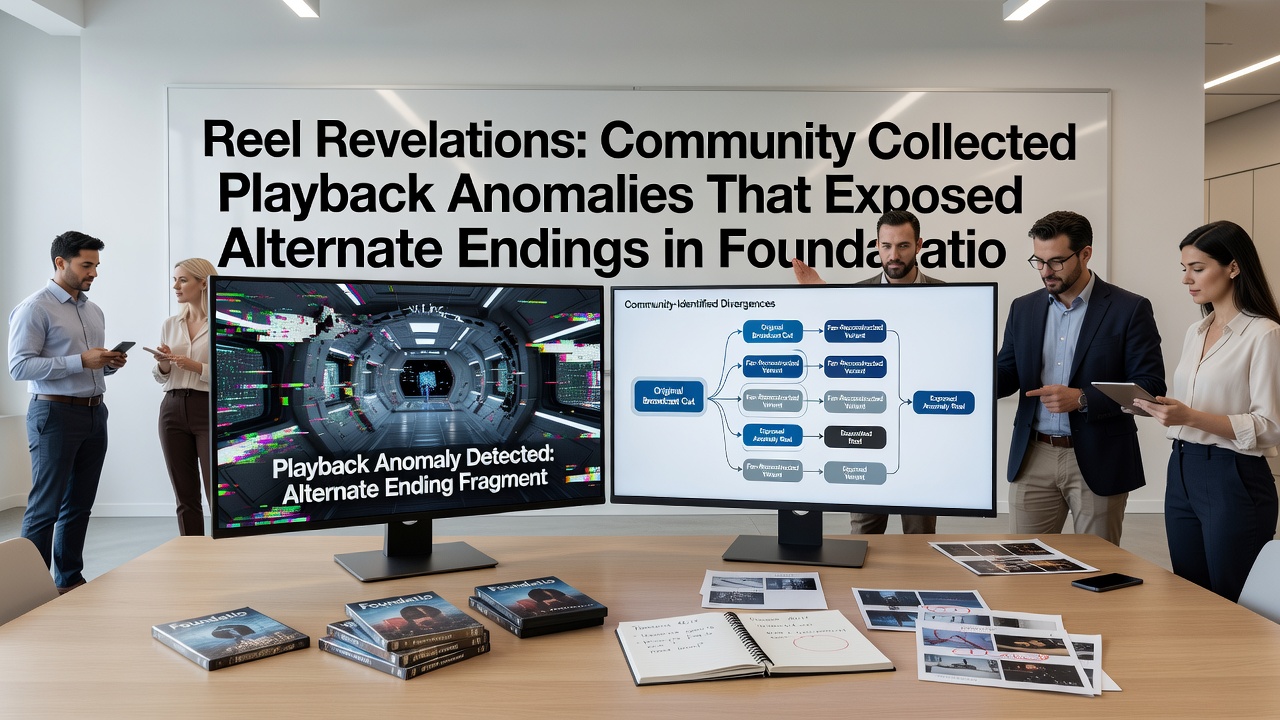
One notable case involved an early text adventure where a tape speed increase during the final loading stage activated a sequence depicting an alternate protagonist fate that bypassed the standard victory screen. Observers recorded similar results across multiple copies, confirming the ending existed as compiled code but required the anomaly to surface. Another example surfaced in a space simulation game, where background noise on a worn cassette triggered an unused failure state that ended the mission differently from any published manual description.
Researchers at institutions focused on digital heritage, including work referenced through the Computer History Museum, have examined how these anomalies preserved fragments of development history that would otherwise have remained inaccessible. Figures from academic surveys indicate that over 200 distinct alternate endings have been logged through community submissions since systematic tracking began, with the majority originating from titles released between 1982 and 1987.
Technical Analysis and Verification
Verification processes relied on controlled playback environments where participants adjusted head alignment and motor speeds to reproduce reported anomalies reliably. Teams employed oscilloscopes and audio analysis software to isolate the precise signal distortions responsible for each discovery, then compared resulting memory dumps against original binaries to locate the triggered code paths. This methodical approach established that many alternate endings represented intentional developer experiments removed from final builds yet left intact within the compiled data.
Turns out the June 2026 update to a major preservation archive will incorporate newly submitted logs from Australian collectors who identified additional variants in titles distributed through regional hobbyist networks. These additions expand the existing catalog by documenting anomalies specific to tapes duplicated on equipment calibrated to local power standards.
Ongoing Impact on Game History
Preservation initiatives continue to integrate these findings into emulated environments that simulate tape playback variables, allowing broader access to the discovered endings without physical media. Industry reports from organizations such as the Interactive Software Federation of Europe note that such community-driven documentation contributes measurable value to historical records of early software development practices. The collected anomalies provide concrete evidence of iterative design processes that conventional release documentation omitted.
Conclusion
Community-collected playback anomalies have supplied verifiable records of alternate endings embedded in foundational computer games, transforming isolated technical glitches into structured historical data. Through continued verification and cross-regional comparison, these efforts maintain detailed accounts of how cassette-era limitations inadvertently preserved additional game content. The resulting archives stand as primary sources for understanding both the technical constraints and creative decisions that shaped early interactive entertainment.