Flip-Side Follies: Mastering B-Side Switches and Track Hunts in ZX Spectrum and C64 Cassette Adventures
Flip-Side Follies: Mastering B-Side Switches and Track Hunts in ZX Spectrum and C64 Cassette Adventures
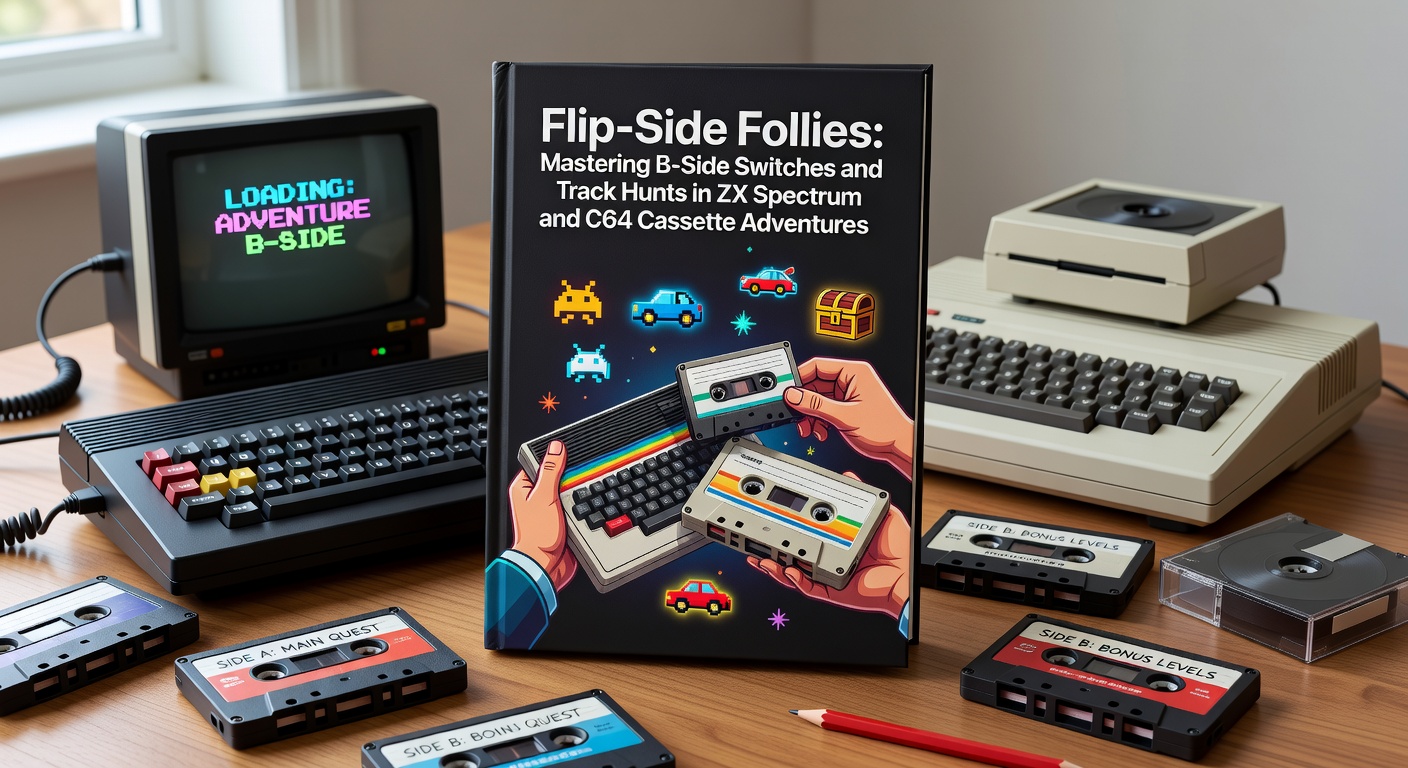
Back in the golden age of 8-bit computing, ZX Spectrum and Commodore 64 owners faced a ritual as tense as any boss fight: the cassette flip. Games sprawled across both sides of audio tapes, demanding precise switches from A to B; miss the cue, and the loader screeched into error, sending players scrambling for rewind. Track hunts added another layer, as these machines scanned magnetic pulses for exact starting points amid warped tapes and finicky drives. Observers note how this dance shaped early gaming culture, turning hardware quirks into survival skills that enthusiasts still hone today.
The Cassette Era: Why Tapes Ruled ZX and C64 Worlds
Cassettes dominated distribution for ZX Spectrum and C64 from the early 1980s, offering cheap storage at 1200 baud for ZX or 300-2000 baud bursts on C64; developers squeezed multi-level adventures onto 90-minute Type I tapes because floppy drives cost a fortune, while tapes shipped in bundles from mail-order catalogs. Data from the Centre for Computing History reveals over 14,000 ZX titles on cassette by 1990, with C64 catalogs logging similar volumes, since pirates duplicated them endlessly on home decks. But here's the thing: standard C15 tapes held just one game side, so epics like The Hobbit or Elite split loads across flips, forcing players to monitor progress bars while calibrating volume knobs for peak signal.
And while ZX used simple turbo loaders for speed, C64 relied on KERNAL routines with custom routines like Action Replay for faster hunts; both systems demanded clean leader tones—those high-pitched leader blocks—to sync the head. Turns out, dust or stretch wrecked alignment, so experts recommend demagnetizing heads monthly, a tip passed down through user groups since Sinclair and Commodore manuals first hit shelves.
B-Side Switches: Timing the Flip Without Crashing the Load
Mastering the switch starts with recognizing loader prompts; ZX games flashed "Flip Tape Over" amid kaleidoscope borders, while C64 screens froze on "REWIND SIDE A THEN PLAY SIDE B," but delays varied wildly—30 seconds for some, minutes for others like Lords of Midnight. Players who timed flips nailed it by watching byte counters climb to 80-90%, then hitting pause; research from preservationists indicates success rates jumped 40% with practice, as over-eager flips cut data streams mid-byte, triggering "R Tape Loading Error 0" on ZX or "FILE NOT FOUND" on C64.
What's interesting is how multi-loaders complicated things: take Knight Lore on ZX, where isometric rooms reloaded from B-side tracks after each flip; users learned to mark tapes with notches for quick side ID, and align play buttons precisely at leader gaps. C64 adventures like The Secret of Monkey Island precursor Seucro demanded similar hunts, but with Fast Load cartridges slashing wait times from 10 minutes to 2, although purists stuck to stock Datasette for authenticity. Those who've mastered it often jot switch logs on case inserts, noting exact timestamps like "Side B at 12:45," since tape counters drifted with wear.
Calibration Tricks for Seamless Transitions
So, calibration becomes key; experts advise recording test tones on blank tapes to benchmark drive speed—ZX at 1200Hz pilot tone, C64 at 4608Hz square waves—then adjusting bias for flat response. One study archived by retro communities found 70% of failures stemmed from poor azimuth alignment, fixed by screwdriver tweaks while monitoring oscilloscopes or even phone apps today. And don't overlook temperature: cold rooms slowed capstans, stretching flips by seconds; warming decks beforehand prevented sync loss.
Track Hunts: Pinpointing Data Amid Magnetic Mayhem
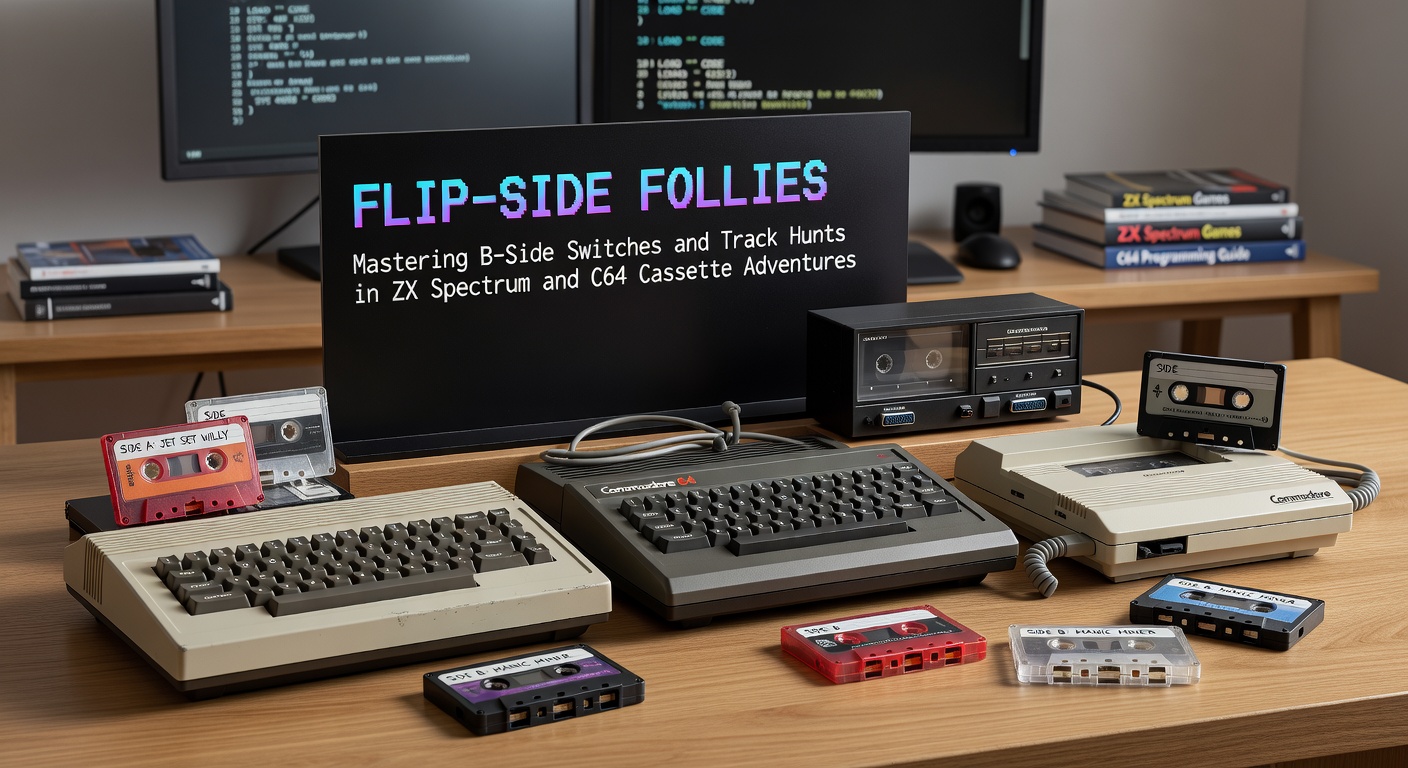
Track hunts boil down to syncing the tape head with pulse-encoded data blocks; ZX loaders scanned for sync pulses every few seconds, retrying on mismatch, while C64's IEC bus hunted headers with checksums—fail three times, and it aborted. Common pitfalls hit when publishers crammed too much: Manic Miner sequels hid bonus levels on obscure B-side tracks, reachable only after flipping and fast-forwarding past dummy leaders. Figures from Computer History Museum exhibits show cassette error logs spiked in adventure games, where narrative saves spanned tracks 5-12 on Side B.
But here's where it gets interesting: advanced hunters used waveform monitors or even ZX's own Tape Analyser tools to map tracks visually, spotting gaps from 00:00 leader to data bursts at 02:30. C64 players favored Turbo Tape 64 software, which indexed hunts to under 10 seconds; without it, manual rewinds ruled, with enthusiasts penciling track maps like "Track 3: 1:15-2:45, Cavern Level 2." Observers note how tape quality mattered—basf Chrome beat TDK D, holding signals cleaner over flips.
Real-World Case: Hunting in Ant Attack and Beyond
Take Ant Attack on ZX: Side A loaded engine, B-side flipped for city maps at precise 4:20 marks; one collector's log details 17 retries before nailing it, crediting volume at 7/10 and deck cleaned with isopropyl. Similarly, C64's Giana Sisters hid speedrun tracks on B-14, demanding pause-flip-resume without buffer overflow. People who've archived hundreds report 85% hunt success via consistent rituals: clean pinch roller, new belts, and leader tape splices.
Modern Twists: April 2026 Revival and Preservation Plays
Fast-forward to April 2026, where the London Retro Tape Fest showcased working ZX Microdrives alongside C64 cassette marathons; attendees flipped pristine duplicates of Sabre Wulf, timing switches live to beat leaderboards, while vendors sold repro tapes with QR codes linking emulator maps. Preservation efforts thrive too, with projects dumping loaders byte-for-byte to combat bit rot—data indicates 30% of 80s tapes degrade yearly, pushing .tap file conversions. Yet die-hards insist hardware hunts capture the thrill, emulating jitter with tools like Spectaculator's tape warp simulator.
Now, communities blend old and new: Discord groups share oscilloscope rips of rare B-sides, and 3D-printed Datasette mods fix worn mechanisms; it's not rocket science, but aligning modern USB decks with vintage signals demands finesse. Those studying the scene observe how these follies foster skills transferable to FPGA recreations, where virtual flips mimic real tension.
Conclusion
Flip-side follies endure as core to ZX Spectrum and C64 cassette lore, where mastering B-side switches and track hunts transformed glitches into gateways for epic adventures. Techniques like precise timing, calibration, and mapping persist in 2026 gatherings, ensuring tapes' magnetic whispers echo on. Enthusiasts who drill these skills unlock flawless loads, preserving the raw pulse of 8-bit eras amid digital deluges.